6 examples of flexible energy consumption
The energy market seems to have a lot going on at the moment. Political, technological, and fiscal drivers are reshaping the European energy grid, and the direction seems to be digitalization and energy efficiency.
These changes are bringing cool new technologies to the market, along with the hype words that accompany them. Sooner or later you’re bound to run into terms like demand response and flexible energy consumption. But what do these words actually mean?
In our experience, people have very different ideas of what they mean. So here’s our two cents, defined the way we see it.
What is flexible energy consumption?
Flexible energy consumption refers to the ability of a system or organization to adjust its energy use in response to changes in the availability or price of energy. This can involve technologies like energy storage systems, smart grid systems, or demand response programs that let energy consumers reduce their energy use during periods of high demand or high prices, and increase it during periods of low demand or low prices. This helps improve the efficiency and reliability of the power grid and reduces the need for expensive power plants and transmission lines.
6 examples of flexible energy consumption
- Smart appliances. Appliances that can be controlled remotely or programmed to adjust their energy usage based on the time of day or the price of electricity.
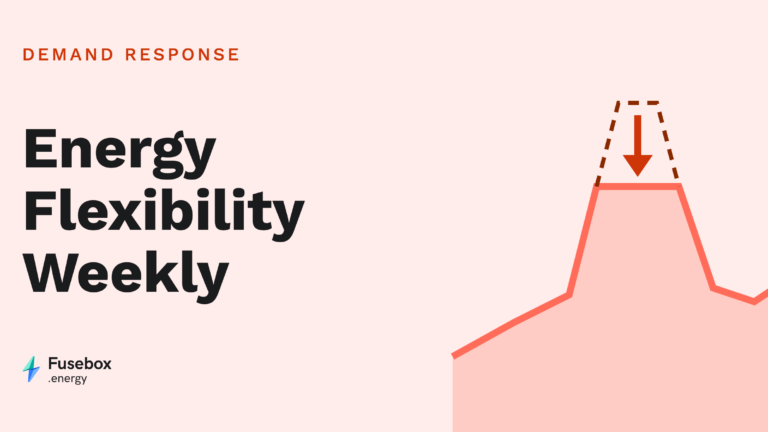
- Demand response. A program where large energy consumers agree to reduce their energy usage during periods of high demand in exchange for incentives or payments. This helps utilities maintain a balance between supply and demand on the power grid, and avoid the need for expensive “peaker” power plants that only run during times of high demand. During a demand response event, energy consumers such as factories, office buildings, or shopping centers reduce their energy use by shutting down non-essential equipment, adjusting production schedules, or switching to on-site generators. That reduction helps lower overall electricity demand and reduces the need for expensive, polluting power plants.
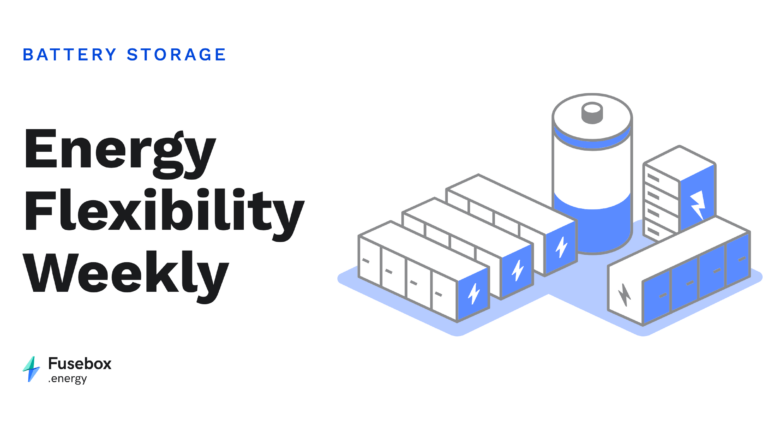
- Energy storage systems. Systems that store excess energy generated by renewable sources like solar and wind, then release it back into the grid when needed.
- Electric vehicles (EVs). EV charging is a major and still-underused source of flexibility. Smart charging avoids demand peaks and can provide ancillary services to transmission system operators (TSOs). An even less-used technology is vehicle-to-grid (V2G), where EVs feed energy back into the grid during periods of high demand or high prices.
- Building energy management systems (BEMS). These systems use sensors, controls, and algorithms to adjust a building’s energy consumption in response to changes in occupancy, temperature, and other variables.
- Distributed energy resources. Small-scale power generation, like rooftop solar panels or a microturbine, that can adjust output based on energy demand.
All of these technologies and programs help increase the flexibility of energy consumption and make the power grid more efficient and reliable. It’s also what we do at Fusebox: we help smart appliances and energy storage systems consume electricity flexibly through our software. The result isn’t just a more robust grid — it also helps our clients save on energy costs and cut CO2 emissions.
Want to know more? Get in touch with our team and we’ll be happy to help you put flexible consumption to work.